By Libertad Gills
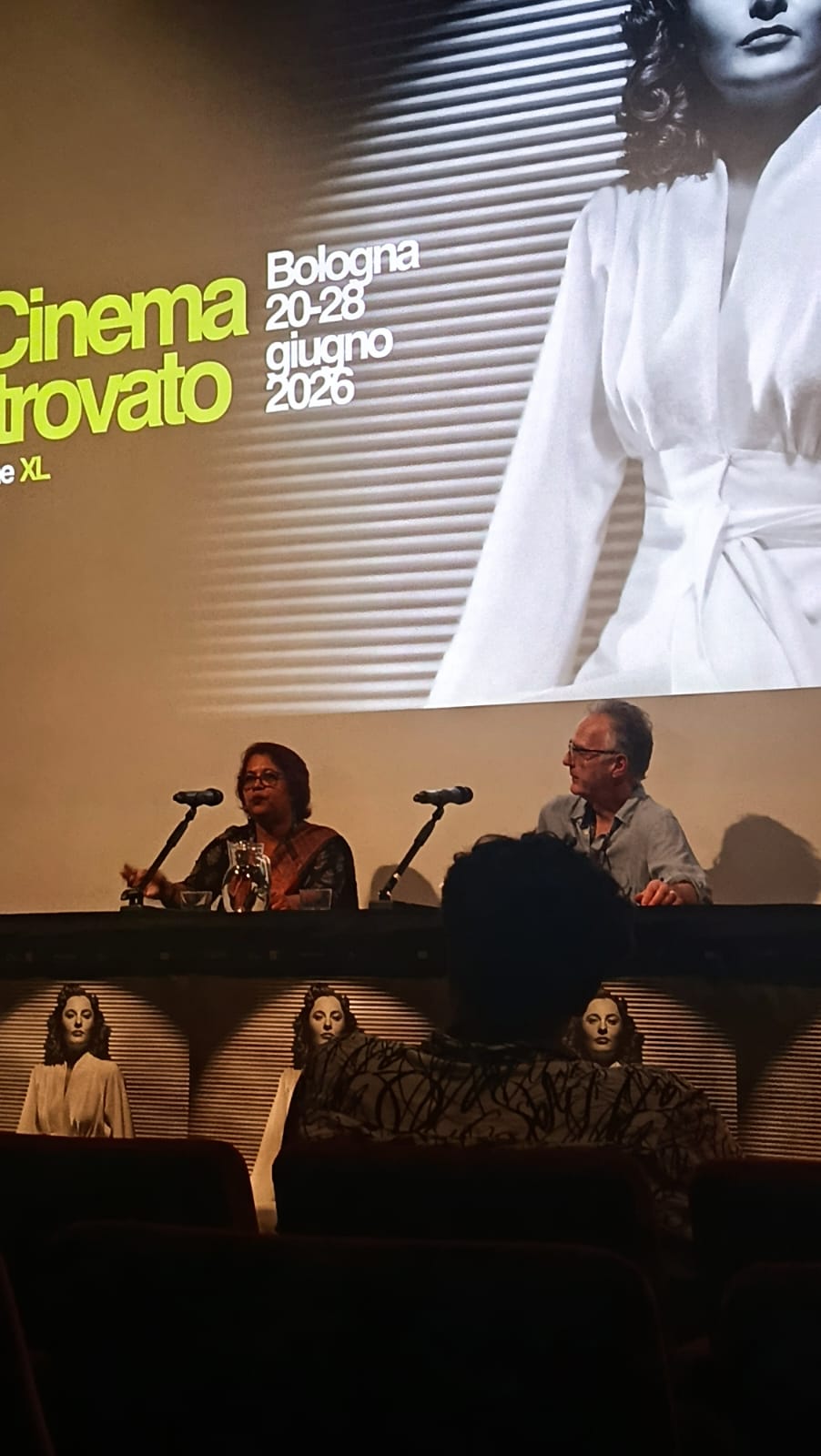
The Cineteca Bologna’s Il Cinema Ritrovato celebrated its 40th anniversary this June. A cinephile’s paradise, the festival showcases “found”, re-discovered and restored films, from all over the world, projected in eight indoor cinema theaters across the town center and with public screenings taking place every night in the Piazza Maggiore. As a XL festival, there were more films than usual this year -about 500 between shorts and features, compared to last year’s 400+ film program. The heat was also XL, with temperatures reaching 40 degrees Celsius. The heatwave did not deter viewers, however, as the festival reported its largest attendance yet, with over 145,000 attendees.
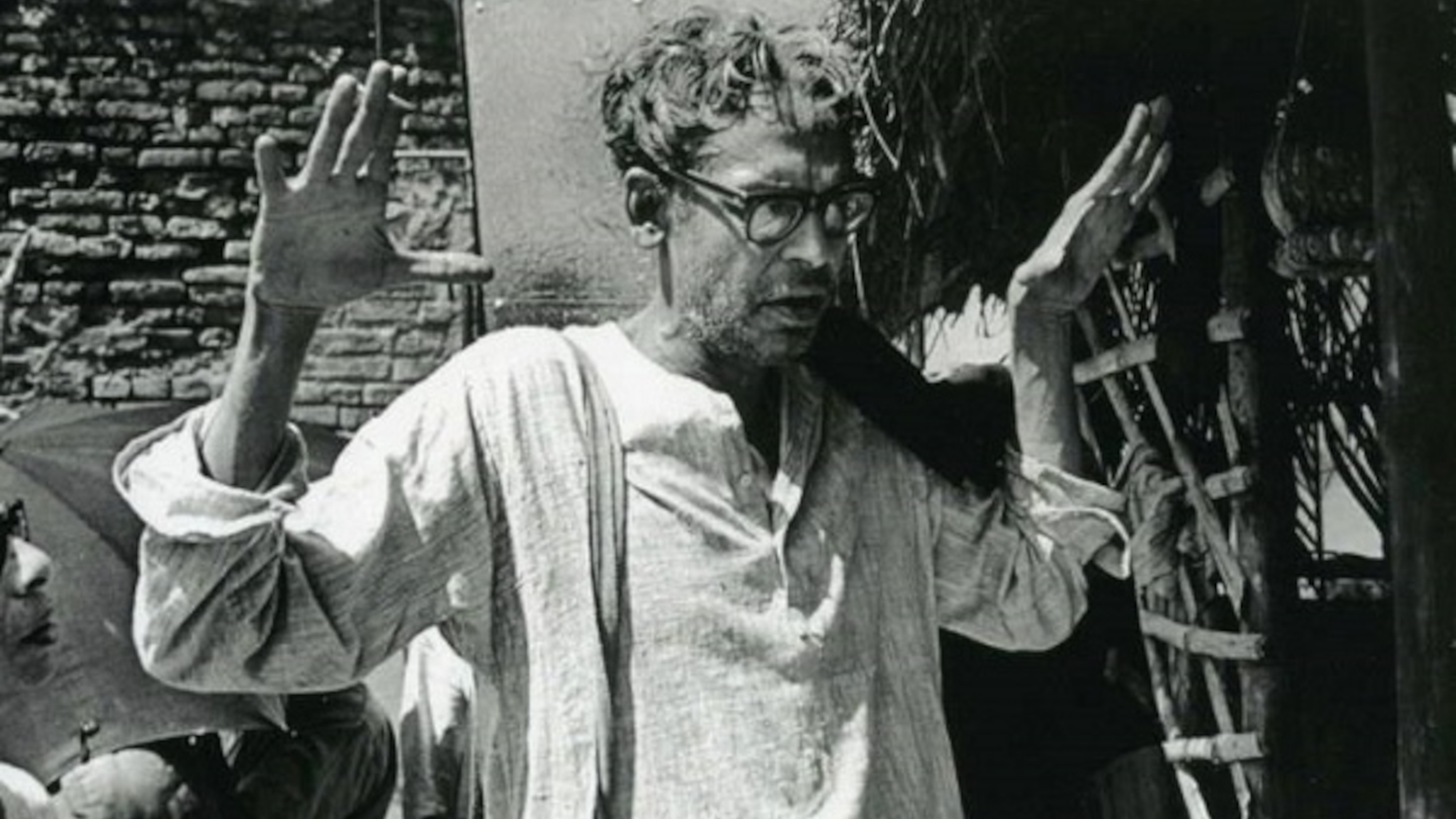
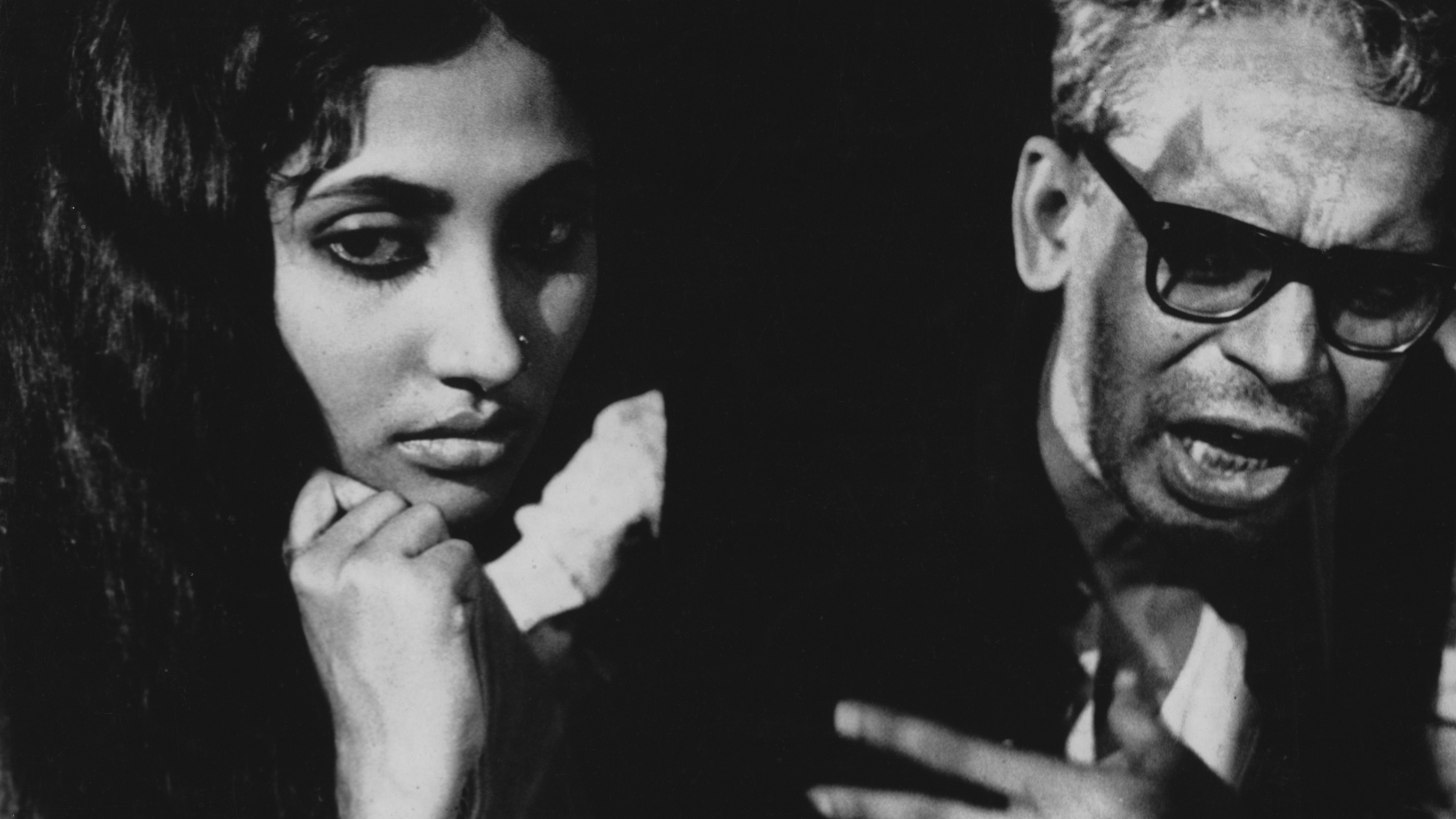
One of the absolute highlights this year was the Ritwik Ghatak program titled “Soil of Bengal, Water of Bengal” curated by Dr. Sanghita Sen, a filmmaker and film scholar working at Northumbria University Newcastle whose research centers on the Bengali cinema of the 1970s made by Mrinal Sen, Ritwik Ghatak, and Satyajit Ray, within a transnational Third Cinema historiography, and Shivendra Singh Durgapur, a filmmaker, archivist/restorer and former film student of Ghatak’s at the Film & Television Institute of India. The personal connections between the curators and the filmmaker made for an especially passionate, moving, and exciting pedagogical experience. The program included 8 feature films, most newly restored in 4K by The Film Heritage Foundation (FHF) and NFDC-NFAI (National Film Development Corporation of India). Ghatak (1925-1976), was an extremely influential filmmaker and activist; however, for Western audiences, it is the cinema of his contemporary Satyajit Ray which is much more well-known. This is at least partially due to problems in distribution: his first film Nagarik, for example, was made three years before Ray’s Pather Panchali (1955), but only received distribution in 1977, the same year that his last film was distributed, and a year after Ghatak’s death. The curators stressed a desire to introduce Ghatak to an international audience as a director of equal significance, whose politically-engaged cinema depicts post-Partition Bengal (1947) and the socio-economic displacement of Bengali refugees.
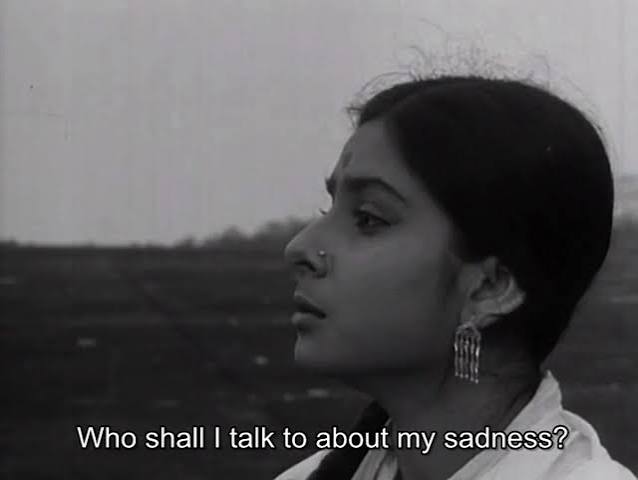
Ghatak’s cinema is one of wanderers, orphans, drifters, and outsiders; it conveys the feeling of homelessness, while never falling totally into despair. His films are hopeful even as they are melancholic; they are surprisingly humorous, and use music and singing to transmit the character’s emotions in key scenes that seem to directly address the viewer, establishing an emotional connection beyond the screen. Through music and through experiments with sound editing, Ghatak punctuates his storytelling with moments of suspension in which the narrative stands still and the emotion of a particular scene overwhelms, as the character -many times a dreamer, young (or young at heart) and ambitious, full of energy and desire– comes face to face with a new reality, a completely transformative experience that cannot be avoided and which will turn all dreams upside down. In these moments, Ghatak succeeds in finding a cinematographic language to convey how it feels when something inside of a person breaks.
Partition in his films is shown to be a completely shattering collective event. One that destroys families and dreams, driving individuals into madness. His films are overtly political, directly remarking on the economic inequality of a country suffering the consequences of two centuries of British colonial domination, a very wealthy country in which the majority of the population continues to live in poverty, and where young and able men are unable to find work and therefore also unable to provide for their families and be supportive contributors to the household. The humiliation of unemployment and poverty kills their capacity for a more innocent form of love, as in the case of Ghatak’s first film Nagarik (1952-1977). The films depict a collective crisis, but find hope in human’s ability to make homelike and family-like structures wherever they roam, even if these are temporary and even if these will never be quite like home. Subarnarekha (1955) ends with the title “Victory to all humans” which perfectly sums up the kind of hope that his films offer. For Ghatak, victory comes through collective and political awareness, through the putting aside of individual disappointments in order to finally be able to see and accept individual responsibility towards the collective. In his final film Jukti Takko Aar Gappo (1974), Ghatak plays himself and stages his own death, making the viewer his witness and the camera his accomplice. He explored the particular expressivity of cinema until the very end. Sadly, Ghatak passed away in 1976 and never had the chance to see this film projected.
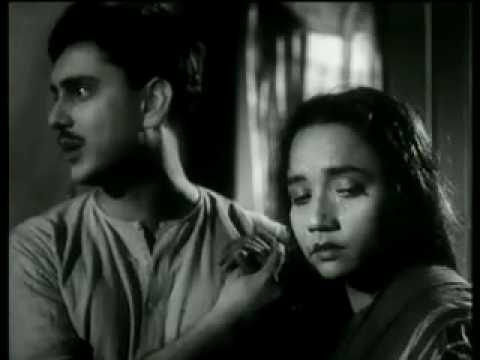
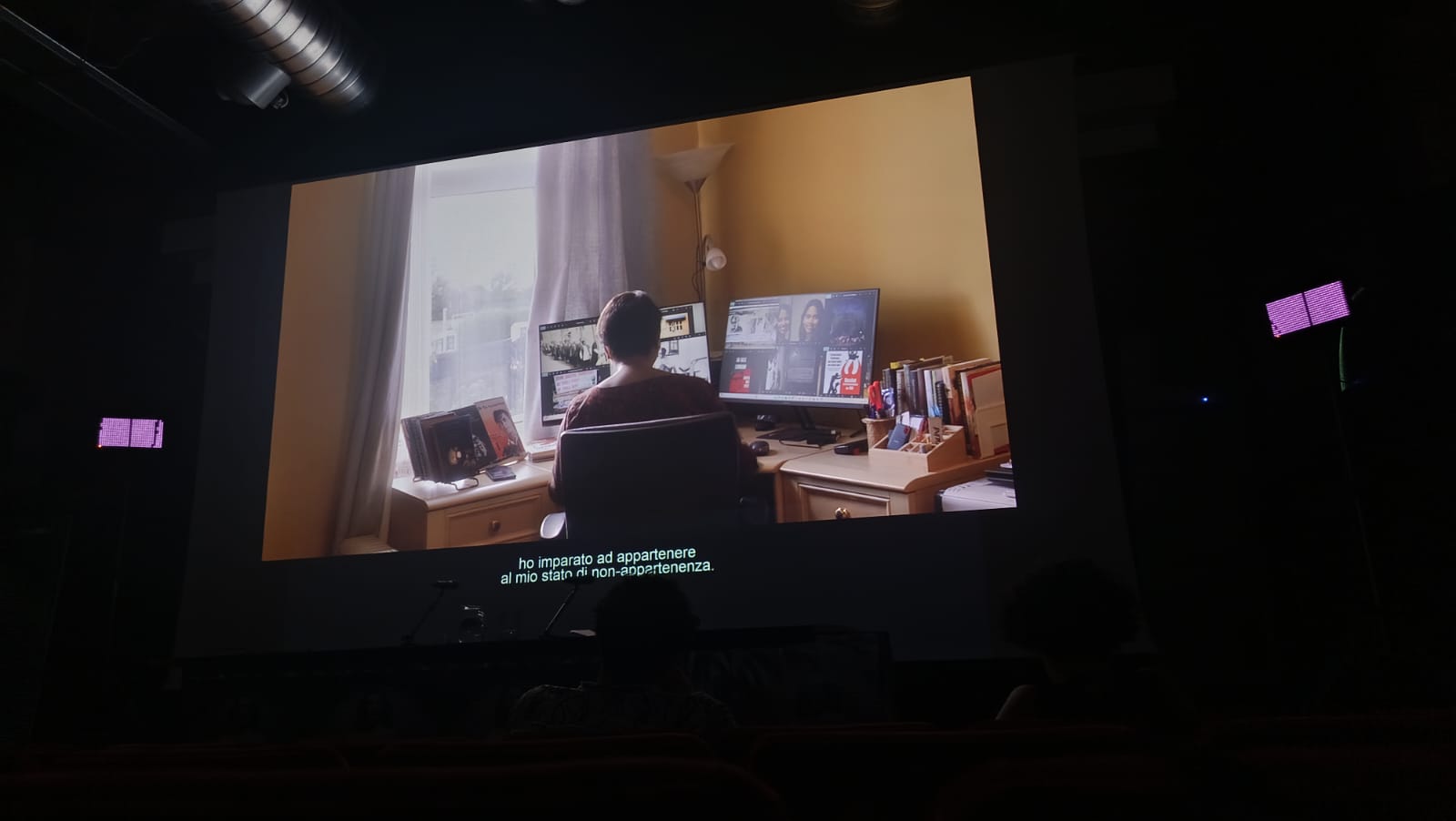
An especially poignant addition to the Ghatak retrospective, was the work-in-progress preview of Sen’s documentary on Ghatak titled Ghatak Was Here, produced by Adam Dawtrey and Mary Bell of Bofa Productions. The title comes from the slogan used during the 2015 student rebellion at the FTII, when students went on strike for 139 days protesting the appointment of TV actor Gajendra Chauhan as the institute’s chairman (“Go back, Chauhan, Ghatak was here”). Payal Kapadia, director of Cannes Film Festival’s 2024 Grand Prix winner All We Imagine As Light, for example, was an active part of the student strike. Her debut feature A Night of Knowing Nothing (2021) speaks directly to the protest and includes archival footage from it. The title “Ghatak was here” suits Sen’s film perfectly as it conveys not only Ghatak’s political cinema but also the ways in which his presence remains in India, influencing and inspiring new generations of filmmakers and activists.
The film is told via Sen’s first-person voiceover and includes interviews with people who knew and were influenced by Ghatak, including Mira Nair, as well as documentary footage of present-day India shot by Sen and others. Rather than speak from a distance about Ghatak, Sen approaches the film with political solidarity and critical proximity. She positions herself from the get-go, asking herself why she is making this film and what Ghatak means to her.
Like Ghatak, Sanghita comes from a family uprooted by the Bengal Partition. Her passion for Ghatak is evident: she personally subtitled all of the Ghatak’s films from their original dialect and has one of Ghatak’s film titles tattooed on her arm. Listening to Sen speak, both in the documentary and in her introductions to the films, reminds audiences that cinema is much more than movies; it’s also about lives and communities, about people who dedicate their time and energy to share films because films are also parts of their lives, fragments of their autobiographies. As audiences connect through a filmmaker who is now “ritrovato” or rediscovered/found, they also find themselves and one another, and this is how communities grow around cinema.
This past week in Bologna, viewers learned something about Bengali history and culture and so much about cinema. Afterall, Il Cinema Ritrovato is first and foremost an educational experience, a week of immersion in international film history and in filling in gaps in our film education which even the most experienced cinephile will also have. With each edition we learn that there is so much we still do not know about cinema, so much we will never know. The learning is what keeps us coming back to Il Ritrovato, because discovering cinema never ceases to be an active, joyful, and thrilling collective experience.